
In today’s rapidly evolving financial landscape, choosing between traditional banks and digital banks can be a daunting decision for many customers. With the advent of technology, numerous online banking solutions have emerged, challenging the conventional banking model.
Understanding the differences, benefits, and potential drawbacks of each can help U.S. consumers make informed choices about where to place their hard-earned money.
Traditional banking: a classic approach
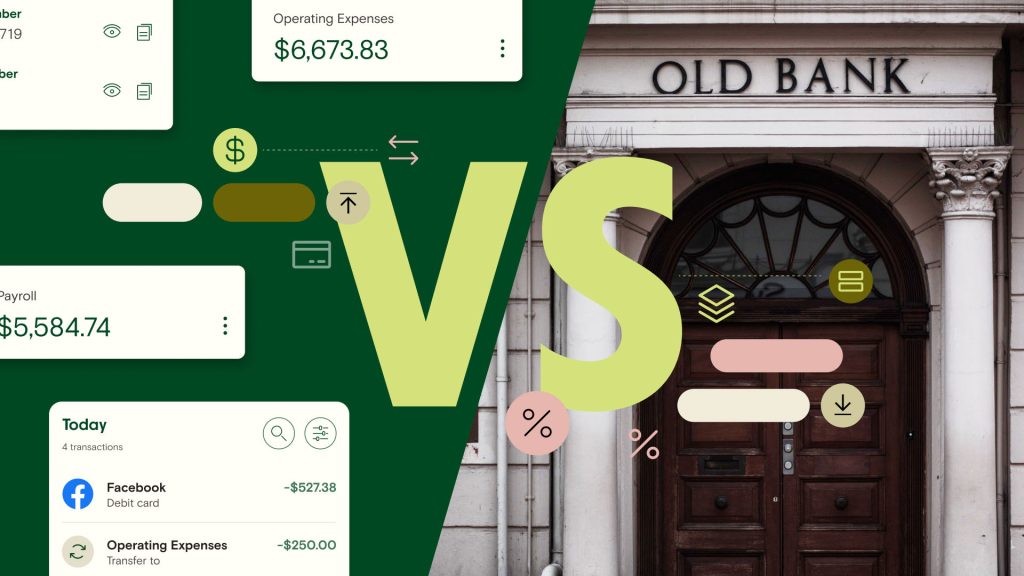
Traditional banks, with their brick-and-mortar establishments, have been a cornerstone of the financial ecosystem for decades. These institutions offer a range of services that customers can access directly through physical bank branches. The perceived stability and reliability of these financial giants often give people a sense of security when handling their finances.
However, this traditional model can sometimes mean higher fees and less flexible service hours compared to their digital counterparts. Moreover, conventional banks maintain a personal touch in banking relationships. Customers can walk into a branch, consult with a banker face-to-face, and obtain personalized financial advice.
This in-person interaction often enhances trust and forms a solid support system, especially for individuals dealing with complex financial decisions. Nonetheless, the reliance on physical infrastructure often translates into higher overhead costs, which can be passed down to customers in the form of various fees.
Digital banking: the modern frontier
Digital banks, also known as online banks or neobanks, have revolutionized the banking industry by offering services primarily through digital platforms. These institutions typically operate without physical branches, focusing on delivering seamless, 24/7 access to banking services through mobile apps and websites.
For tech-savvy consumers, the convenience and efficiency of managing accounts from anywhere in the world is a significant advantage. Additionally, online banks often boast lower fees and higher interest rates on savings accounts due to reduced operating costs.
They leverage cutting-edge technology to enhance user experience, providing real-time transaction tracking, financial management tools, and quick digital communication. Despite these benefits, customers might miss the personal interaction and face-to-face support that traditional banks offer, which can be a downside for those who prefer more direct human contact.
Key considerations for customers
When choosing between traditional and digital banking options, several factors need to be weighed to determine which suits individual needs best.
Security and trust
The safety of one’s funds is paramount, and both banking models have their security measures. Traditional banks are heavily regulated and insured by federal agencies like the FDIC. They have well-established frameworks to protect customer deposits.
On the other hand, digital banks also implement stringent security protocols, often using advanced encryption technologies and multi-factor authentication to safeguard user data. It is essential to research and ensure that any bank chosen, whether online or traditional, is reputable and secure.
Customer service
Traditional banks typically excel in providing personalized customer service through in-branch visits. Customers who prefer detailed face-to-face consultations might find traditional banks more appealing. Digital banks compensate for the lack of physical branches by offering robust online support, chat services, and helplines.
Service offerings
Both types of banks offer similar financial products—checking and savings accounts, loans, credit cards, and investment options. However, the accessibility and ease of using these products can differ greatly. Traditional banks might have more comprehensive services tailored for complex financial needs, including business lending and wealth management services.
Choosing the right banking solution
Ultimately, the decision between traditional and digital banking depends on personal preferences, financial habits, and lifestyle needs.
Lifestyle and convenience
For those with busy lifestyles or who travel frequently, the flexibility offered by digital banks is unbeatable. They provide quick and easy access to banking services without the need to visit a physical location. People who value face-to-face interactions and have complex banking needs might lean towards traditional banks, where they can receive more personalized service.
Cost and financial benefits
Digital banks typically offer lower fees and higher interest rates on deposits due to lower overhead costs. Traditional banks, while sometimes more expensive, often provide additional services and benefits that can justify the higher fees for certain customers. Assessing one’s financial goals and carefully comparing the fee structures and benefits of each option can aid in making an informed choice.
Conclusion
In the end, both traditional and digital banks have unique advantages and challenges. By thoroughly understanding the differences and considering individual banking preferences, U.S. customers can make an educated decision that best fits their financial needs and lifestyle.
Whether opting for the tried-and-true traditional banking institutions or embracing the modern conveniences of digital banks, the key is to choose a bank that aligns with your personal financial objectives and comfort level.