
Canceling a credit card is a decision that many people in the U.S. face at some point. Whether it’s due to high fees, better options available, or simply the desire to simplify finances, it’s essential to understand the changes this can bring about, especially in terms of your credit score.
Before you make the move, it’s crucial to weigh the pros and cons of canceling plastic cards and how this step can have both immediate and long-term effects on your financial health. When you close an account, it may not seem like a significant move, but it’s important to consider all the ramifications.
Understanding the impact on your credit report
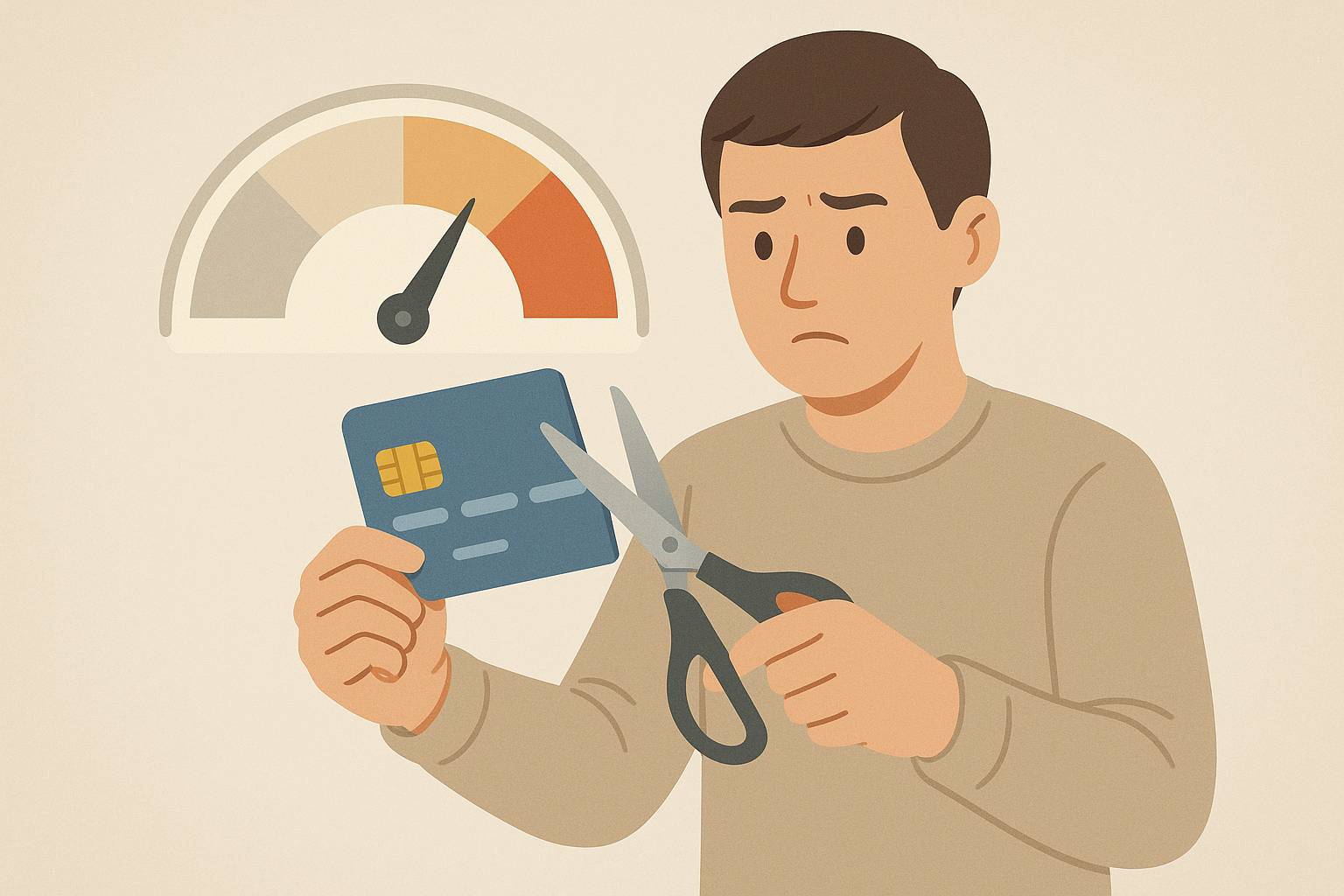
Canceling a credit card can affect your credit report in several ways. One of the primary factors is the credit utilization ratio, which is a measure of how much credit you’re using relative to your total available credit. If you close an account, your total available credit decreases, which can increase your utilization ratio if your spending habits remain the same. This, in turn, can lead to a lower credit score.
Another consideration is the length of your credit history. The age of your accounts plays a role in determining your creditworthiness. Closing an older card can shorten your average account age, potentially impacting your credit score negatively. It’s important to evaluate whether the card you plan to close is one of your oldest, as this could make a significant difference.
How to mitigate negative effects
Before you go ahead and cancel your plastic, it’s essential to mitigate potential adverse effects on your credit score. One approach is to pay down existing balances on other cards to improve your credit utilization ratio before closing the card. This can help minimize the immediate impact on your credit score by keeping the ratio low even after your total credit limit is reduced.
Additionally, consider keeping the account open if there are no annual fees. This strategy can help preserve the length of your credit history and maintain a healthy mix of accounts. Alternatively, you might transfer any remaining balance to a different card with a lower interest rate or better terms, ensuring you are not stuck paying higher interest on any unpaid amounts.
Decisions that require careful consideration
When deciding to close a credit account, it’s vital to weigh the reasons prompting you to take this step. Evaluate whether the card offers rewards that others don’t or if it serves as a useful backup in emergencies. Keep in mind that each aspect of your credit history is interconnected, and changes to one account can ripple through your entire credit profile.
Furthermore, consider the timing of your decision. It might be strategic to delay closing the card until after applying for a loan or mortgage, as a dip in your credit score could affect interest rates. Therefore, planning and aligning your financial moves with upcoming needs can minimize any adverse consequences from canceling the account.
Practical steps to protect your credit
If you choose to proceed with cancels, follow practical steps to safeguard your credit status. Begin by paying off the full balance to avoid any lingering debt, which could accumulate interest and fees. Contact the issuer to confirm the account is closed and ask for written confirmation or a letter for your records.
Lastly, continually review your overall financial goals and ensure that closing the card aligns with them. Managing credit responsibly and keeping an eye on your credit score can help maintain financial stability, even after making significant changes to your credit portfolio. Engaging in regular financial reviews and revisiting your strategies can be beneficial in maintaining good credit health in the long term.