
In recent years, Issuer Installment Plans have emerged as a convenient way to make significant purchases without absorbing the entire expense at once. Often called card-native Buy Now, Pay Later (BNPL), these plans rely on partnerships between credit card issuers and merchants. They allow consumers to pay for purchases over time in scheduled installments rather than a single lump sum. The result is a smoother cash-flow experience that keeps larger buys within reach.
Choosing this tool can be sensible when terms are transparent, costs are competitive, and payments fit comfortably within your budget. It may be wiser to avoid when fees are high, limits are constrained, or the plan encourages spending beyond your means. Understanding these trade-offs clarifies whether the option aligns with your goals and financial discipline. The discussion below looks more closely at how these plans work and when they make sense.
Understanding issuer installment plans
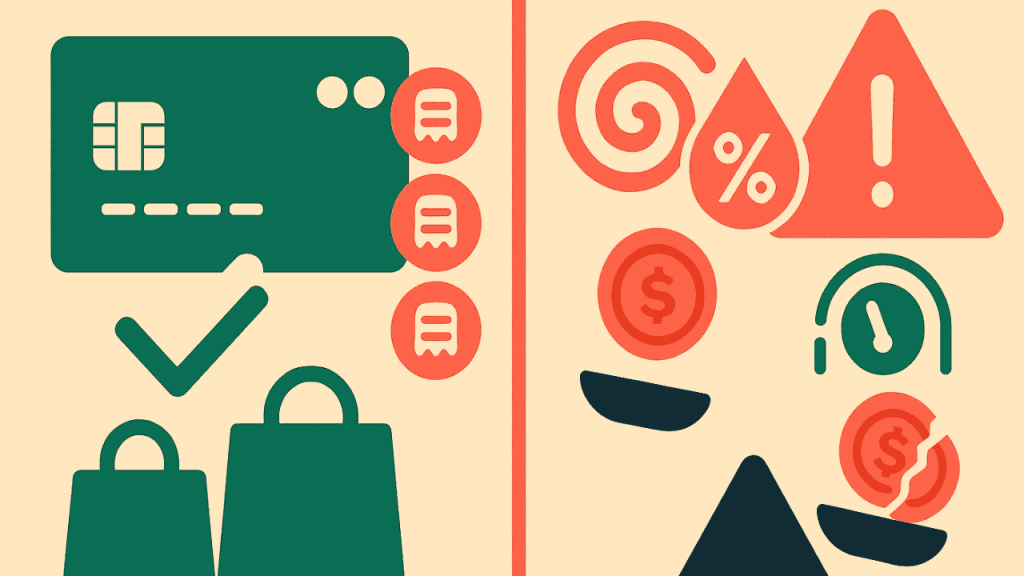
Issuer Installment Plans can help manage finances for big purchases that might otherwise strain a budget.
By spreading costs over months or years, they turn intimidating totals into predictable payments.
Many card issuers partner with merchants to embed these options right at checkout.
This seamless setup often requires no extra applications, keeping the process simple and low-friction.
Compared with loans or revolving balances, rates vary and promos may offer interest-free periods.
Always review terms and fees carefully to avoid surprises, and budget so installments fit.
Consistent on-time payments help you capture benefits while protecting your credit score.
When to choose issuer installment plans
Choosing Issuer Installment Plans starts with an honest look at your budget and what you’re buying. They work best for larger purchases—appliances, electronics, travel—especially when the interest rate is lower or zero compared with other financing, yielding meaningful savings. Setup is quick at checkout and easy to manage, without the heavy paperwork of traditional loans.
They’re most suitable when your income is stable and monthly payments fit comfortably, reducing the chance of debt or late fees. If the total installments would stretch your budget, pause and reconsider. Always balance potential savings against the long-term repayment commitment.
Factors to consider before opting in
Before jumping into Issuer Installment Plans, evaluate your financial landscape carefully. It’s essential to not only consider your current financial stability but also potential upcoming expenses that might affect your repayment capacity.
Reviewing and comparing the interest rates and any additional charges across different issuers can lead you to the most cost-effective plan. Also, consider the flexibility of the repayment terms — does the plan allow for early repayment without penalties? Such elements can significantly impact your overall financial health.
Reviewing your credit card’s existing terms and perks is also vital. Some issuers might offer rewards points or cashback on items purchased via installment plans, enhancing the overall benefit of using this option. Staying informed about such rewards can maximize the long-term value you derive from these financial tools. Therefore, aligning your choice with your financial goals is vital to ensure it supports your broader economic strategy.
Practical tips for using issuer installment plans
When considering using Issuer Installment Plans, it’s wise to keep a few practical tips in mind. First, meticulously assess potential plans, evaluating interest rates, potential fees, and promotional offers to find the best fit. Stay vigilant about your payment schedule, preferably setting up automatic payments to avoid any missed deadlines. Additionally, stay informed about your financial commitments by regularly checking statements and tracking your spending.
Always make it a point to compare multiple issuer offerings, as terms can vary widely. Another practical step is to use these plans for essential, high-value purchases rather than discretionary spending, optimizing financial resources effectively. Finally, rigorously maintaining a budget can help you stay on top of all financial responsibilities, enabling you to fully leverage the benefits of using Issuer Installment Plans.